


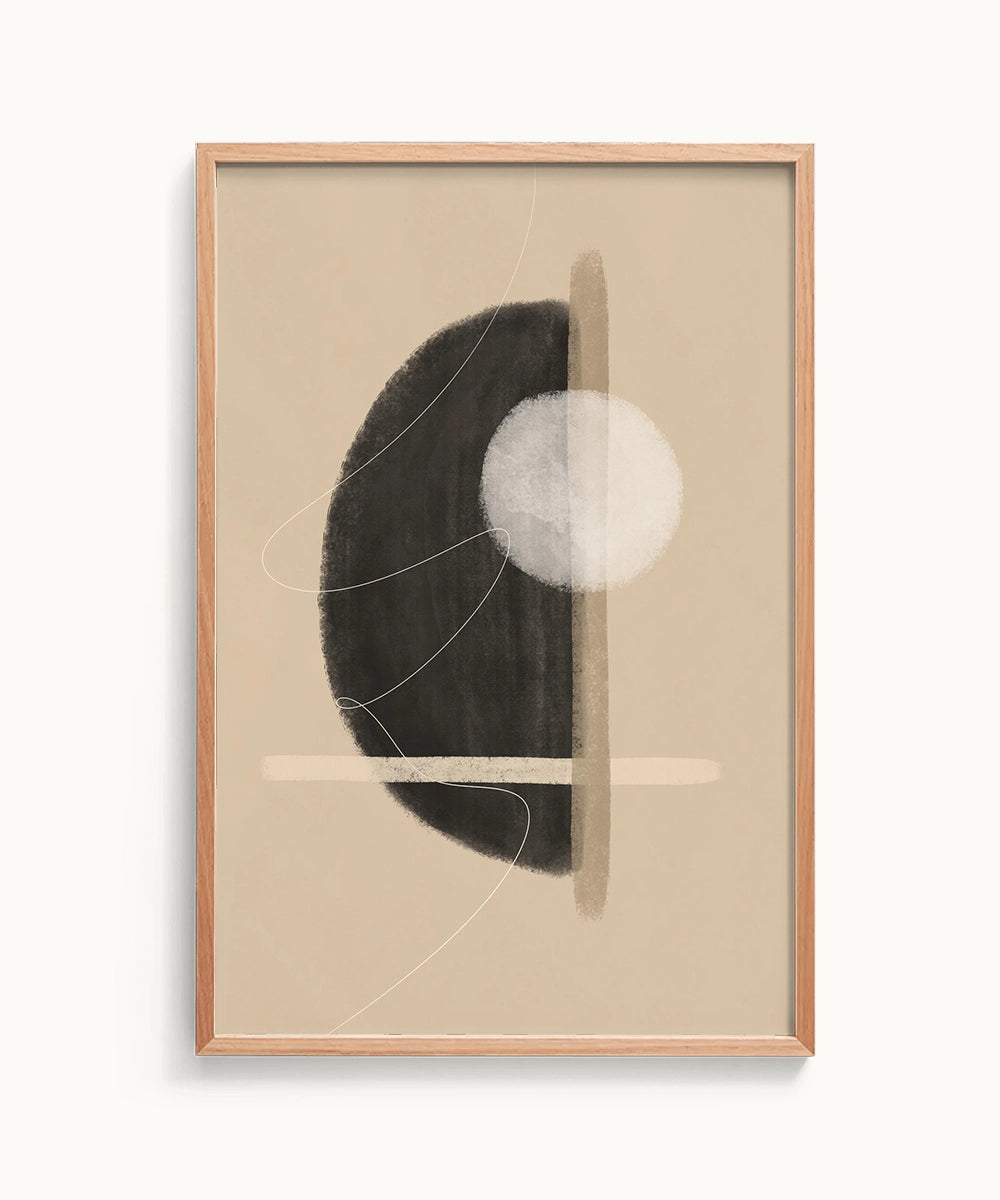
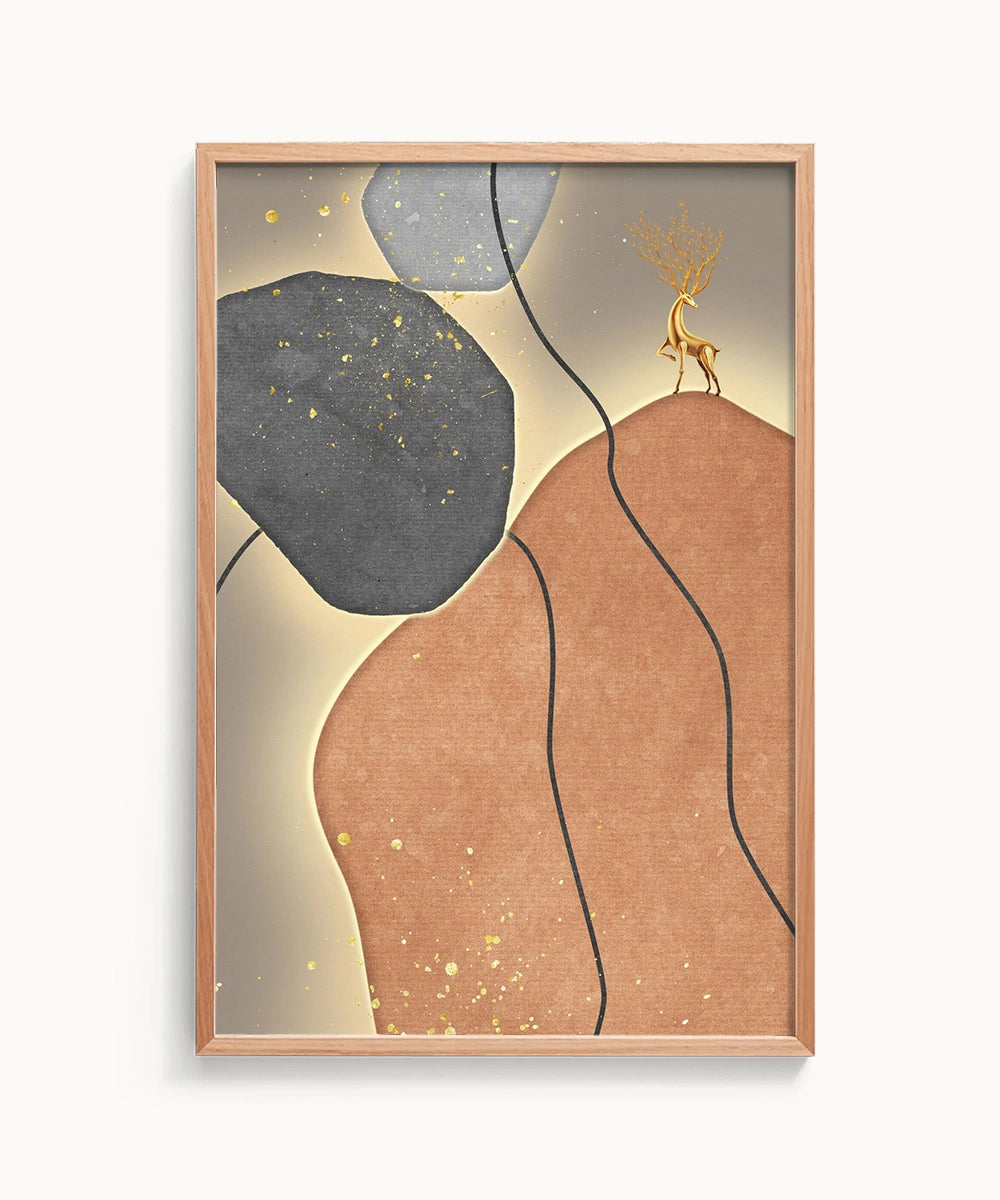


Geometry has been the silent backbone of design for centuries. From the golden ratio found in nature to the precise angles of modern architecture, mathematical principles shape the visual world around us. But geometry isn't just about numbers—it's about creating harmony, balance, and beauty that resonates with the human eye.
When we think of design, we often imagine creativity flowing freely without constraints. Yet some of the most visually stunning designs are built on geometric foundations. A logo that feels perfectly balanced, a building that draws the eye upward, a piece of furniture that seems to defy gravity—these aren't accidents. They're the result of understanding how shapes, angles, and proportions work together.
The Power of Basic Shapes
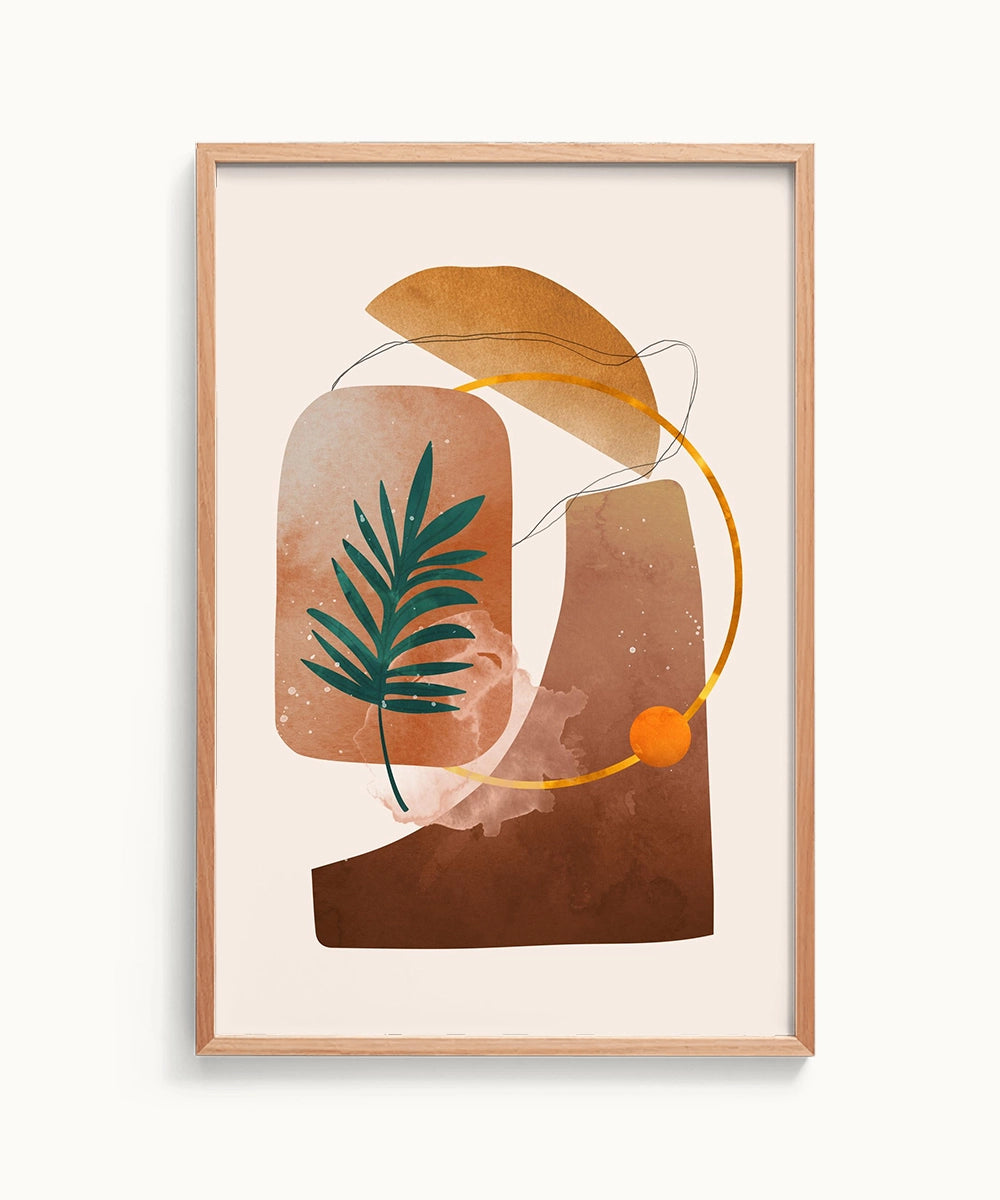
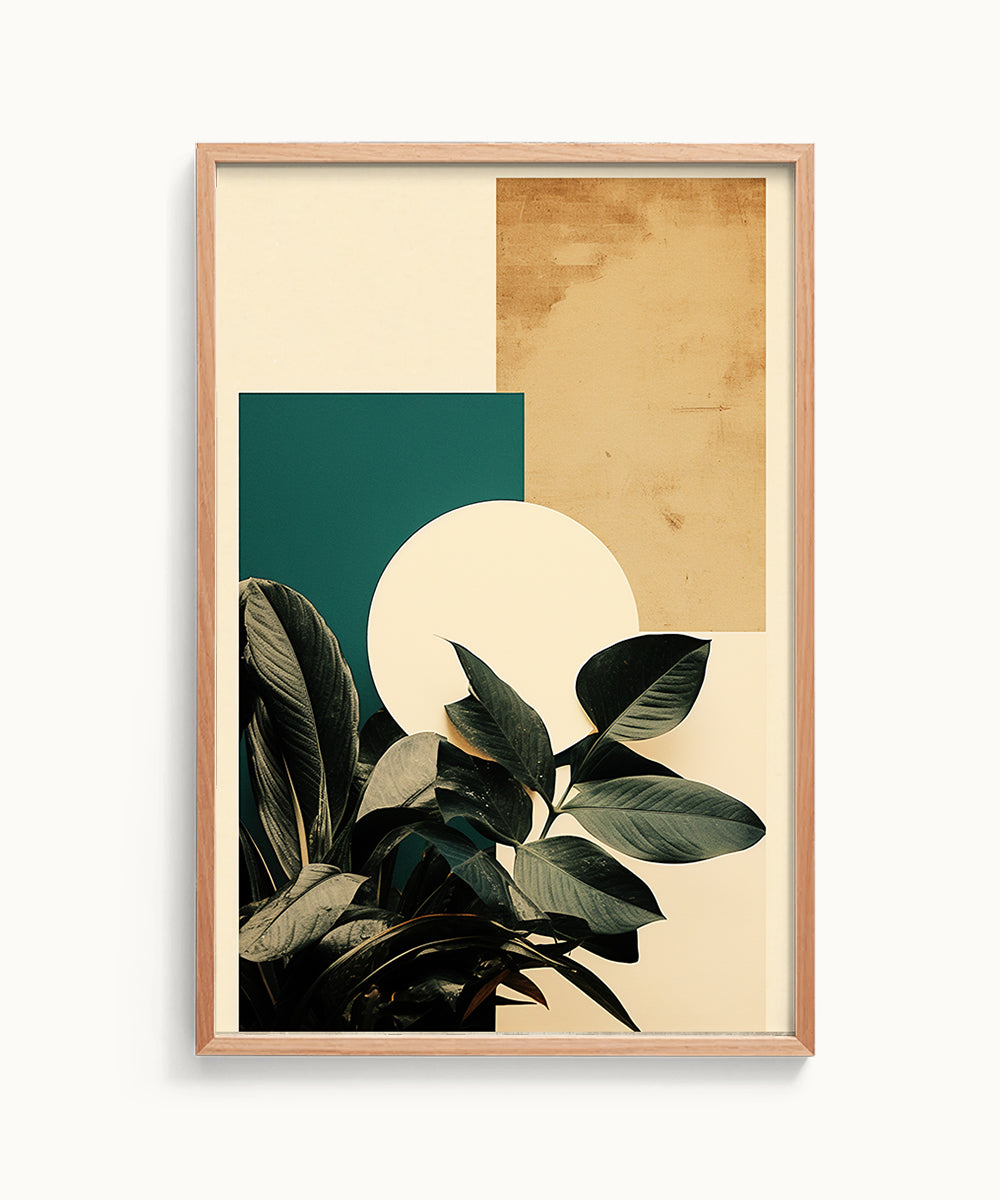
Every complex design starts with simple shapes: circles, squares, triangles, and rectangles. These fundamental forms carry psychological weight. Circles suggest wholeness and continuity. Squares convey stability and order. Triangles create movement and tension. When designers combine these shapes intentionally, they guide how viewers perceive and feel about a design.
Think about the logos you recognize instantly. Many rely on geometric simplicity. A circle with a bite taken out of it. A swoosh curve. A grid of squares. These shapes stick in our memory because they're mathematically clean and visually distinctive.
Proportion and the Golden Ratio
The golden ratio—approximately 1.618—appears throughout nature and has captivated artists and designers for millennia. It's found in seashells, flower petals, and human faces. When designers apply this ratio to their work, something magical happens. The result feels inherently pleasing, even if viewers can't articulate why.
Architects use the golden ratio to determine the height of windows relative to walls. Graphic designers apply it to margins and text sizes. Product designers use it to proportion handles and curves. It's a mathematical shortcut to creating designs that feel right.
Symmetry and Asymmetry
Symmetry creates order and calm. A perfectly symmetrical design feels stable and trustworthy. This is why symmetry appears in corporate branding and institutional design. It communicates reliability.
Asymmetry, on the other hand, creates visual interest and movement. By breaking symmetrical rules strategically, designers can draw attention to specific elements and create dynamic compositions. The key is understanding the math behind the imbalance—offsetting weight through size, color, or position to maintain overall visual equilibrium.
Grids and Structure
Behind every well-organized design is often an invisible grid. Grids divide space into proportional sections, creating order and making it easier for viewers to navigate information. Whether it's a website layout, a magazine spread, or a product package, grids ensure that elements align in ways that feel intentional and professional.
The mathematics of grids isn't restrictive—it's liberating. Once you understand the underlying structure, you can break the rules effectively. The most innovative designs often come from designers who know the geometric rules well enough to bend them with purpose.
Color and Geometric Relationships
Color theory itself is rooted in geometry. The color wheel is a circle divided into sections based on mathematical relationships between hues. Complementary colors sit opposite each other. Analogous colors sit adjacent. Understanding these geometric relationships helps designers create palettes that feel cohesive or create intentional contrast.
The Future of Geometric Design
As technology evolves, geometric design continues to adapt. Digital design tools make it easier to work with precise measurements and proportions. 3D modeling relies entirely on geometric principles. Even artificial intelligence uses mathematical algorithms to generate and optimize designs.
Yet the fundamental truth remains: the most beautiful designs balance mathematical precision with artistic intuition. Geometry provides the framework. Art provides the soul. When both work together, design transcends function and becomes something memorable.
